

On Notice: Idaho Wastewater Treatment Plants
February 12, 2026
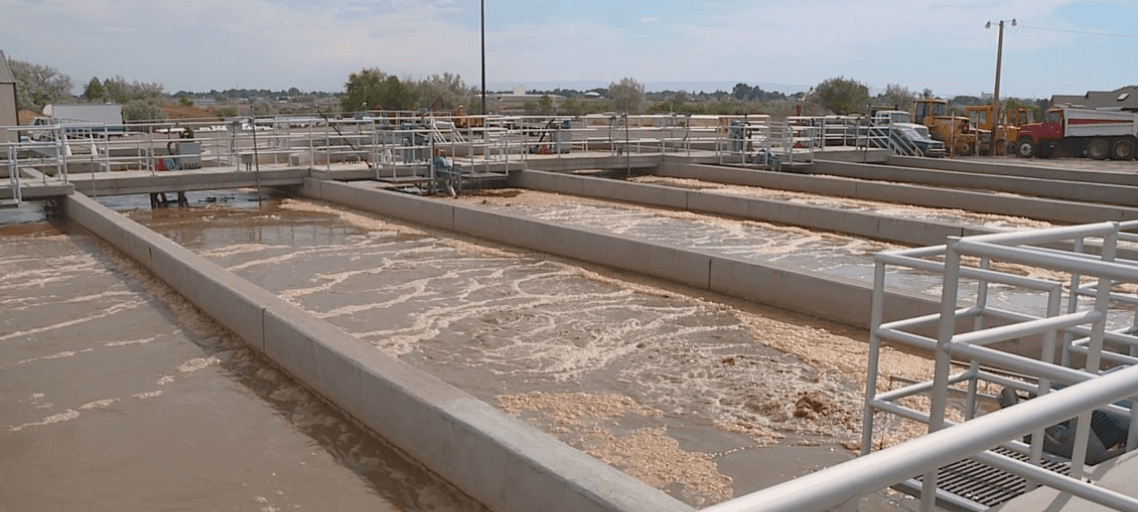
Snake River Waterkeeper teamed up with Idaho Conservation league to inform the cities of Burley and Rexburg of the organizations’ intent to sue over ongoing violations of the federal Clean Water Act at each city’s wastewater treatment plant. We are being represented by attorneys at Advocates for the West, a nonprofit environmental law firm based in Boise, and Bricklin & Newman, LLP in Seattle.
For five years and counting, the plants have failed to comply with pollution limits set in their Clean Water Act permits. Most of these permit violations are for exceeding limits on sediment, nitrogen and Biological Oxygen Demand pollution at each plant. Sediment reduces water clarity and can harm aquatic life. Nitrogen can act as a fertilizer promoting both nuisance and toxic algae growth. Biological Oxygen Demand is a measure of how quickly micro-organisms remove oxygen from water, which at high levels can kill fish.
“Clean Water Act permits are designed to ensure our rivers and lakes are safe for fishing and swimming,” said Bryan Hurlbutt, Staff Attorney at Advocates for the West. “The Act requires municipalities to treat wastewater to acceptable pollution levels before discharging it to Idaho waters—that’s all we’re asking of Burley and Rexburg.”
The Burley-Heyburn Industrial Park plant discharges wastewater to the Snake River, upstream of popular recreation areas like Lex Kunau Park. The plant’s wastewater comes from industrial facilities. Over the past five years, the plant reported 82 permit exceedances, during which pollution discharges to the Snake River ranged from 3% to 1,738% above permitted limits. Because permit limits are typically based on monthly averages, and because some days involved exceedances of multiple permit limits, these exceedances constitute nearly 750 individual Clean Water Act violations.
The Rexburg plant discharges municipal wastewater to the South Fork of the Teton River. Over the past five years, the plant reported 45 permit exceedances, during which pollution discharges to the South Fork ranged from 4% to 2,404% above permitted limits. These exceedances constitute more than 480 Clean Water Act violations.
Monitoring shows the Snake River is impaired by excess phosphorus. Nitrogen pollution from the Burley plant contributes to this problem. That’s because algae growth fueled by high levels of nitrogen consumes oxygen when it decomposes, creating conditions that release phosphorus. Also, while monitoring indicates the South Fork Teton currently meets standards for aquatic life, pollution from the Rexburg plant could threaten impairment.
“Every Idahoan deserves clean water and reliable infrastructure,” said Will Tiedemann, Regulatory Conservation Associate at ICL. “Local leaders are responsible for maintaining adequate wastewater treatment plants and addressing any problems diligently. They have not done that here, putting the Snake and South Fork Teton rivers at risk.”
While the Idaho Department of Environmental Quality is responsible for ensuring compliance with Clean Water Act permits, the agency is often slow or unwilling to meaningfully confront violators. A report released by ICL found that in 2024, over half (50.5%) of wastewater treatment plants in Idaho failed to comply with their Clean Water Act permits.
“Having guaranteed access to clean and safe water is an essential part of life, and municipal wastewater treatment plants play a critical role in protecting our water resources,” said SRW’s Executive Director, Buck Ryan. “Citizens can and should hold local leaders to account when they repeatedly fail to protect our communities from harmful pollutants that degrade this precious natural resource.”
Read the Notice Letters:
2026 02 11 Burley-Heyburn Indust Pk – NOIS – Final for Mailing