

Conservation Group Pressure Prompts Idaho DEQ to Sue Cities Polluting Snake and South Fork Teton Rivers
April 16, 2026
For Immediate Release: Thursday, April 16, 2026
Contacts:
Will Tiedemann, Idaho Conservation League, (208) 286-4445
Buck Ryan, Snake River Waterkeeper, (208) 806-1303
Bryan Hurlbutt, Advocates for the West, (208) 730-6961
Zak Griefen, Bricklin & Newman, LLP, (206) 264-8600
Boise, ID — Last week, the Idaho Department of Environmental Quality (DEQ) filed litigation against the cities of Burley and Rexburg over ongoing violations of the federal Clean Water Act at wastewater treatment plants they operate. This action comes after Snake River Waterkeeper (SRW) and the Idaho Conservation League (ICL), represented by attorneys at Advocates for the West, a nonprofit environmental law firm based in Boise, and Bricklin & Newman, LLP in Seattle, filed notices of intent to sue both cities for the same violations in a process known as a “citizen suit.”
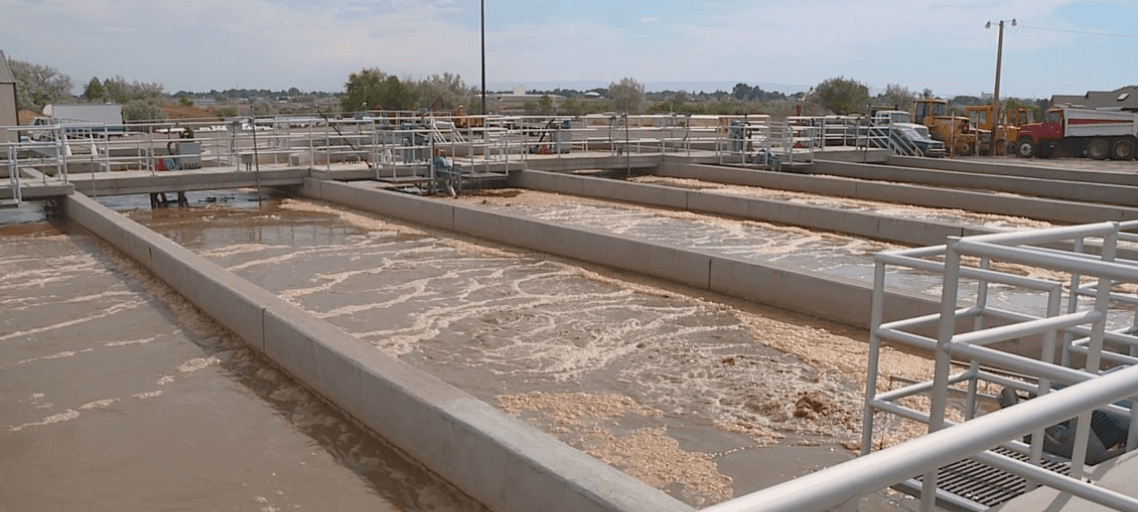
For five years and counting, the plants have failed to comply with pollution limits set in their Clean Water Act permits. The Burley-Heyburn Industrial Park plant discharges industrial wastewater to the Snake River, upstream of popular recreation areas like Lex Kunau Park. The Rexburg plant discharges municipal wastewater to the South Fork of the Teton River.
“DEQ has a duty to hold violators accountable when they fail to comply with pollution permits and threaten to make our rivers unsafe for fishing and swimming,” said Bryan Hurlbutt, Staff Attorney at Advocates for the West. “Through these lawsuits, we hope DEQ brings about swift compliance and sends a strong message that it does not pay to pollute in Idaho.”
“Clean water is fundamental to Idaho’s way of life—from the health of our rivers and fisheries to the communities that rely on them every day,” said Will Tiedemann, Regulatory Program Manager at ICL. “Strong, consistent enforcement is critical to ensure accountability and to protect the waters Idahoans depend on.”
Most of the cities’ permit violations are for exceeding limits on sediment, nitrogen, and biological oxygen demand pollution at each plant. Sediment reduces water clarity and can harm aquatic life. Nitrogen can act as a fertilizer promoting both nuisance and toxic algae growth. Biological oxygen demand is a measure of how quickly micro-organisms remove oxygen from water, which at high levels can kill fish.
Under the Clean Water Act, citizens and organizations can sue violators but must give parties (including DEQ) advance notice. During this notice period, DEQ filed their litigation in a process commonly known as “overfiling.” The Clean Water Act forbids citizen suits from continuing if a regulating authority like DEQ commences and diligently prosecutes a formal enforcement action.
While Idaho DEQ is primarily responsible for enforcing wastewater discharge permits in Idaho, history shows they repeatedly allow facilities to violate their permits and discharge excess pollution for years without any serious action until a conservation group steps up. In recent years, SRW has sent six similar notices against various cities in Idaho for chronically violating pollution limits at their wastewater treatment plants. In four of those instances, DEQ overfiled, and in one, the U.S. Environmental Protection Agency overfiled. When faced with a citizen suit, cities often prefer or even pursue being sued by DEQ and reaching a settlement—not just because this typically precludes citizen suits from moving forward, but also because it typically results in more lenient penalties. Under the Clean Water Act, citizen suits can result in significantly higher monetary penalties per violation and can address violations going back five years. For DEQ suits, penalties are much lower and cover only the last two years of violations.
“There’s a distinct pattern to our Clean Water Act enforcement work in Idaho—we do the research and identify the offending wastewater treatment plants, we expend our resources to notify the plants of impending legal action if they continue to violate federal law, and at the last minute the state steps in to finally do its job of protecting our water after we’ve done the heavy lifting,” said Buck Ryan, Executive Director of SRW. “If that’s what it takes to keep Idahoans safe, then so be it. SRW and ICL will continue to fight for our clean water because it’s the right thing to do.”
###
ICL’s mission is to create a conservation community and pragmatic, enduring solutions that protect and restore the air you breathe, the water you drink, and the land and wildlife you love.
www.idahoconservation.org
Advocates for the West is a non-profit, public interest environmental law firm headquartered in Boise, Idaho, that works to defend public lands, water, fish, wildlife, and communities throughout the American West.
www.advocateswest.org
SRW’s mission is to apply science and the law to protect, restore and sustain waters of the Snake River Basin, and to support clean water access and advocacy in underserved communities worldwide.
www.snakeriverwaterkeeper.org
Bricklin & Newman, LLP is a plaintiff-side environmental and land use law firm representing clients throughout Washington, Oregon and Idaho from our offices in Seattle and Spokane. With more than 80 years of combined experience between our five attorneys, we have a thorough understanding of the legal landscape of environmental law.
https://www.bricklinnewman.com